
Reading Time: 5 minutes
Emergency Air Duct Service Houston: 24/7 HVAC Response When You Need It Most
- Complete HVAC system failure during Houston’s extreme temperatures constitutes a genuine emergency requiring immediate professional attention
- Visible mold around vents demands urgent action as spores circulate through your home affecting your family’s health
- Strange burning smells, unusual noises, or water leaks from your HVAC system signal problems that can worsen rapidly
- Leaky ducts can reduce your heating and cooling efficiency by 20 percent or more according to the Department of Energy
- Clean Air Houston Pro provides 24/7 emergency response with same-day service to restore your home’s comfort and safety
+
- What Qualifies as a True HVAC Emergency
- Sudden System Failure in Houston’s Climate
- Weak or Absent Airflow Emergencies
- Visible Mold Around Vents
- Water Leaks from HVAC Equipment
- Emergency Air Duct Repair Solutions
- Carbon Monoxide Risks
- Choosing a Trustworthy Emergency Provider
- Frequently Asked Questions
When your HVAC system fails unexpectedly or you notice a sudden decline in your home’s air quality, the stress can feel overwhelming. Houston’s extreme temperatures make a functioning air conditioning and heating system essential for both comfort and safety. Clean Air Houston Pro provides reliable emergency air duct service Houston residents can count on around the clock. Our team understands that HVAC emergencies do not follow a convenient schedule, which is why we offer 24/7 HVAC service with rapid dispatch to restore your home’s comfort and protect your family’s health.
What Qualifies as a True HVAC Emergency Versus a Routine Service Call?
Not every HVAC problem requires an emergency response, but certain situations demand immediate professional attention. Understanding the difference helps you make informed decisions about when to call for urgent assistance. A complete system failure during a Houston summer heat wave or winter cold snap represents a genuine emergency because extreme temperatures can pose serious health risks, particularly for young children, elderly family members, and those with medical conditions.
Strange noises emanating from your ductwork or vents often signal mechanical problems that could worsen rapidly. Grinding, banging, or squealing sounds may indicate failing motors, loose components, or debris interfering with moving parts. Unusual odors present another red flag. Burning smells suggest electrical problems or overheating components, while musty or moldy odors point to moisture issues within your duct system. According to industry standards, strange noises from your HVAC system can indicate a serious problem that requires immediate attention.
Sudden System Failure: Why Every Minute Counts in Houston’s Climate

A non-functional HVAC system during extreme weather creates more than discomfort. In summer, indoor temperatures can climb dangerously high within hours, increasing the risk of heat exhaustion or heat stroke. Winter failures, while less common in Houston, can lead to frozen pipes and significant property damage. The urgency intensifies when vulnerable household members depend on climate control for their wellbeing.
When your system stops working entirely, several factors may be responsible. Compressor failures, electrical issues, refrigerant leaks, or thermostat malfunctions can each cause complete shutdowns. Our emergency response team arrives equipped to diagnose and address these problems quickly, minimizing your family’s exposure to uncomfortable or dangerous conditions.
Limited Availability: Our emergency technicians are dispatched on a first-come, first-served basis. Call now to secure your spot in today’s service schedule.
Do not wait for the problem to get worse. Our 24/7 emergency team is standing by to restore your home’s comfort.
Or call us: (832) 737-8500
How Does Weak or Absent Airflow Indicate a Ductwork Emergency?
Restricted airflow from your vents signals a significant problem within your duct system or HVAC unit. When some rooms receive adequate air while others feel stuffy or warm, your ductwork may have developed leaks, blockages, or disconnections. These issues force your system to work harder, increasing energy consumption while failing to maintain comfortable temperatures throughout your home.
Complete absence of airflow from specific vents often indicates a more serious problem. A duct section may have collapsed, disconnected, or become severely blocked. In attic spaces where Houston’s heat intensifies during summer months, flexible ductwork can deteriorate or become dislodged. These situations require prompt professional evaluation to prevent further system damage and restore proper air distribution.
| Airflow Symptom | Possible Cause | Urgency Level |
|---|---|---|
| No airflow from one vent | Disconnected duct section | High |
| Weak airflow throughout home | Major duct leak or blower issue | High |
| Uneven temperatures room to room | Multiple small leaks or damper problems | Moderate to High |
| Whistling or hissing at vents | Pressure imbalance from leaks | Moderate |
“Very responsive and professional. They got me on their schedule day after I called. The technicians were knowledgeable and took time to explain everything.”
Visible Mold Around Vents Demands Immediate Emergency Air Duct Service Houston
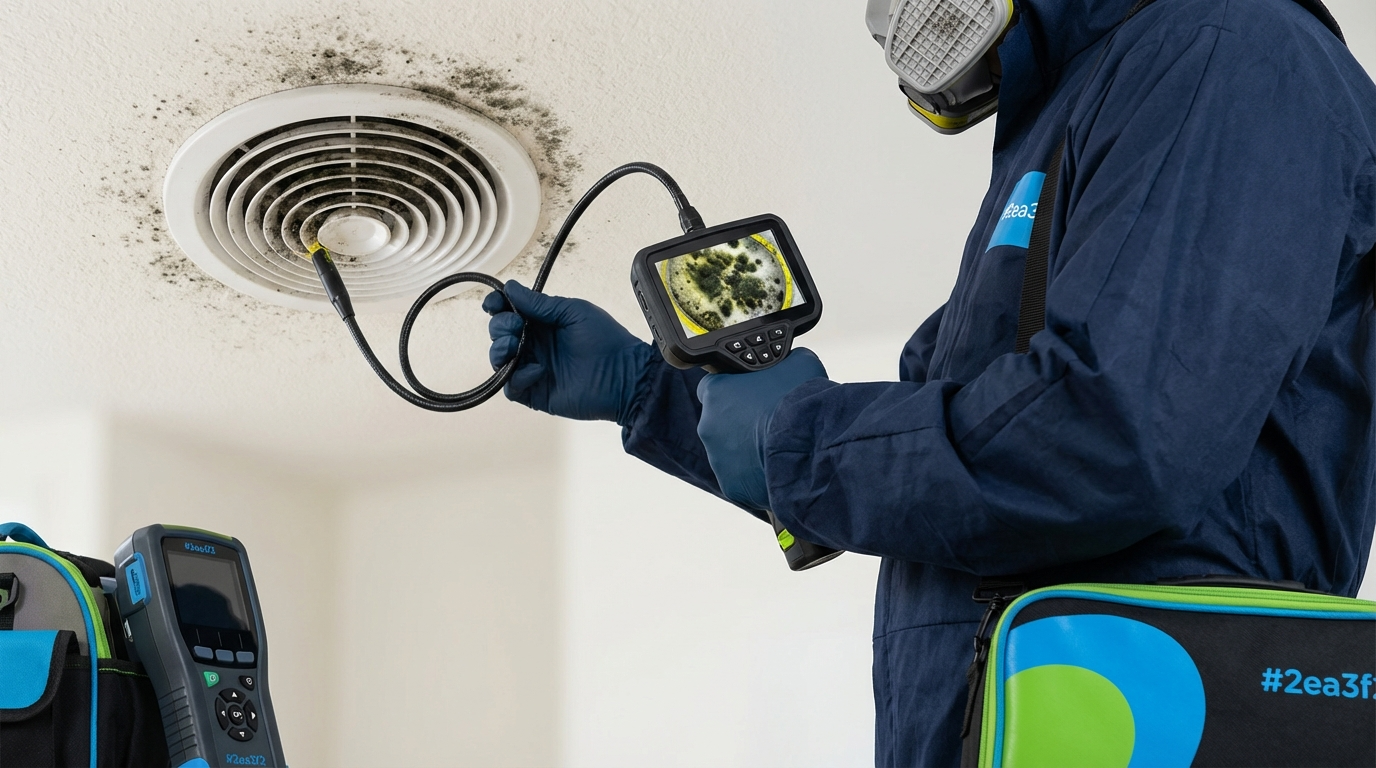
Discovering mold growth around your vents or inside visible duct sections constitutes a clear emergency that directly impacts your family’s health. The Environmental Protection Agency states that if you see mold growing on the inside surfaces of your air ducts, it is often a sign of a larger mold problem which should be addressed immediately. Mold spores circulating through your HVAC system can trigger allergic reactions, respiratory problems, and other health issues.
Mold in ductwork typically indicates a moisture problem that must be resolved alongside the mold remediation. Simply cleaning visible mold without addressing the underlying moisture source allows the problem to return. Our technicians identify both the mold growth and its cause, implementing solutions that restore healthy indoor air quality and prevent recurrence.
Why Water Leaks from HVAC Equipment Create Multiple Emergencies
Water leaking from your HVAC unit or ductwork creates cascading problems that demand urgent attention. Beyond the immediate water damage to ceilings, walls, and flooring, standing moisture promotes mold growth within 24 to 48 hours. Electrical components near water leaks present shock and fire hazards. The EPA’s guide on mold and moisture emphasizes that drying wet areas within this timeframe typically prevents mold development.
Common causes of HVAC water leaks include clogged condensate drain lines, frozen evaporator coils, and damaged drain pans. During Houston’s humid summers, air conditioning systems remove significant moisture from indoor air. When drainage systems fail, this water accumulates and eventually overflows. Prompt service prevents minor drainage issues from causing extensive water damage and mold contamination.
The Real Cost of Ignoring Urgent Air Quality Problems
Delaying emergency air duct service when facing serious symptoms leads to escalating consequences. The EPA confirms that poor indoor air quality can cause health problems ranging from mild discomfort to serious illness. Dust, allergens, and contaminants circulating through compromised ductwork affect everyone in your household, with children, elderly individuals, and those with respiratory conditions experiencing the most severe effects.
System damage also compounds over time. A refrigerant leak that initially causes reduced cooling capacity eventually leads to compressor failure. Duct leaks that slightly increase energy bills grow larger, wasting more conditioned air into unconditioned spaces. The Department of Energy reports that leaky ducts can reduce heating and cooling system efficiency by as much as 20 percent or more. Addressing problems promptly protects both your health and your wallet.
Flat Rates | No Hidden Fees | Same-Day Service Available
Emergency Air Duct Repair: Restoring Your System’s Integrity
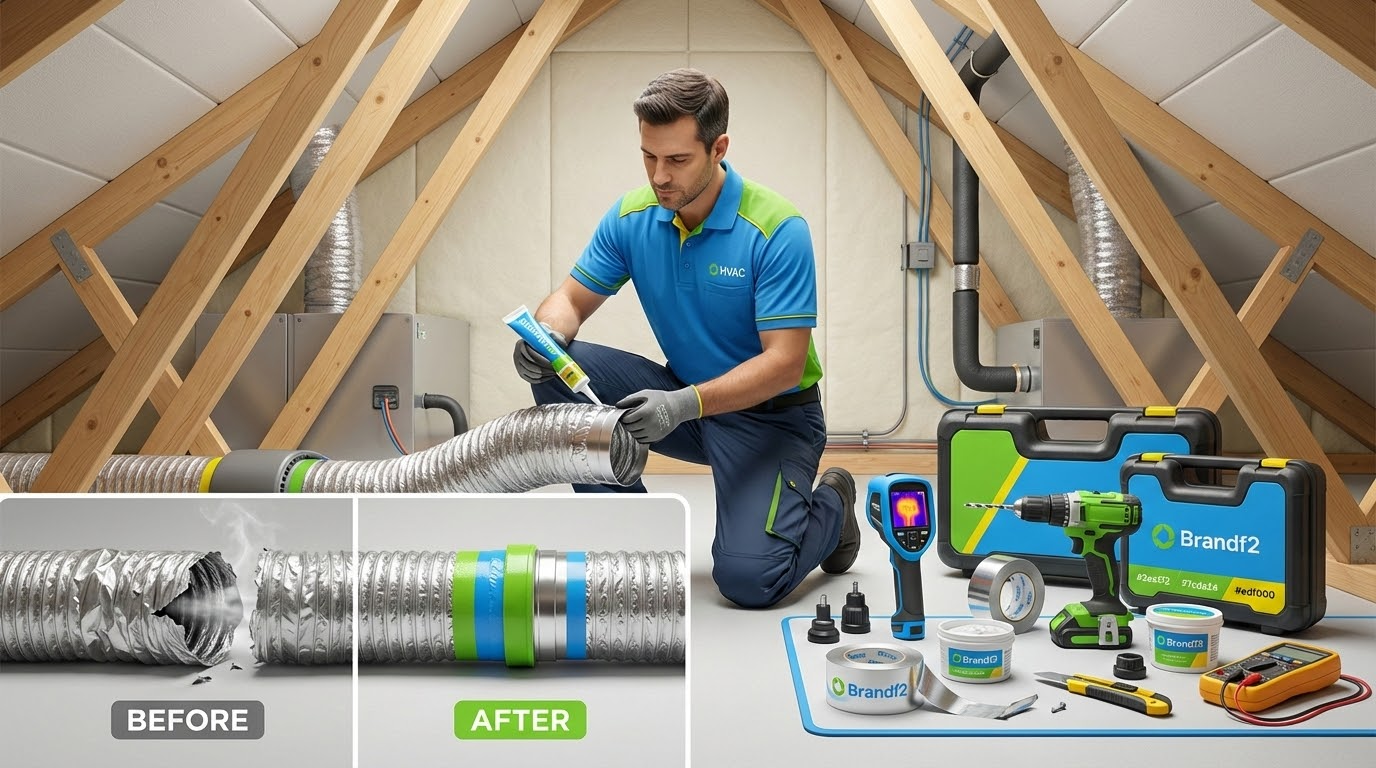
Duct repair services address leaks, disconnections, and damage that compromise your system’s performance. Sealing techniques appropriate for your duct material close gaps and cracks that allow conditioned air to escape. Reconnecting separated sections restores airflow to affected areas. In cases of severe damage, section replacement may be necessary to maintain system integrity.
Repair approaches vary based on duct construction. Metal ductwork requires different sealing methods than flexible ducts. Duct board systems present unique repair challenges. Our technicians bring appropriate materials and tools for each situation, enabling same day service completion for most emergency repairs. Following repairs, testing confirms restored airflow and proper system operation.
“Stacy’s team was awesome fast and professional! They explained everything to me before they did anything. Very fair pricing. I will definitely use them again.”
How to Identify Duct Leaks Without Professional Equipment
While comprehensive duct evaluation requires professional tools, several signs help homeowners identify potential leaks before calling for service. Excessive dust accumulation on furniture and surfaces despite regular cleaning often indicates duct leaks drawing particles from unconditioned spaces. Air filters that become dirty unusually quickly suggest the same problem.
Physical inspection of accessible ductwork, particularly in attics and crawl spaces, may reveal obvious problems. Look for disconnected joints, torn flexible duct sections, or damaged insulation. Feel around duct connections for air escaping. Listen for whistling or hissing sounds when your system operates.
| DIY Detection Method | What to Look For | What It May Indicate |
|---|---|---|
| Visual inspection | Gaps, tears, disconnections | Major leaks requiring repair |
| Hand test at joints | Air movement felt around connections | Seal failures at joints |
| Filter check frequency | Filters dirty within 2-3 weeks | System drawing unfiltered air |
| Dust accumulation rate | Surfaces dusty within days of cleaning | Duct leaks in dusty areas |
Should You Shut Off Your HVAC System Before the Technician Arrives?
Certain emergency situations require immediate system shutdown to prevent further damage or safety hazards. Burning smells or visible smoke demand that you turn off your system at the thermostat and, if accessible, at the breaker. Electrical odors suggest components overheating or shorting, creating fire risks. Continuing operation under these conditions could cause catastrophic damage.
Gas odors presenting as sulfur or rotten egg smells constitute the most serious emergency. Natural gas suppliers add this distinctive smell to help detect leaks. If you smell gas, evacuate your home immediately without operating electrical switches. Contact your gas provider and emergency services from outside the home. Only after professionals confirm safety should anyone re-enter.
For less severe situations such as unusual noises or reduced performance, shutting down the system prevents potential damage while awaiting service. Clean Air Houston Pro dispatchers can advise whether your specific situation warrants immediate shutdown when you call for emergency assistance.
Carbon Monoxide Risks: When Your HVAC System Becomes Dangerous

Carbon monoxide poses invisible dangers that every Houston homeowner should understand. This colorless, odorless gas results from incomplete combustion in furnaces, water heaters, and other fuel-burning appliances. Cracked heat exchangers, improper venting, or backdrafting can introduce CO into your living spaces through your duct system.
The Texas Department of Insurance advises that if your carbon monoxide alarm sounds, immediately move to fresh air and call 911. Symptoms of CO exposure include headaches, dizziness, nausea, and confusion. These symptoms often mimic flu or fatigue, making detector alarms critical for identifying exposure before levels become life-threatening.
The CDC recommends installing CO detectors on every level of your home and outside sleeping areas. Test detectors monthly and replace batteries annually. Detectors themselves require replacement every five to ten years. During power outages, never operate generators, grills, or camp stoves indoors or in attached garages, as these create serious CO risks.
Choosing a Trustworthy Emergency HVAC Service Provider
Selecting a reliable emergency service provider before a crisis occurs helps you avoid hasty decisions during stressful situations. The Texas Department of Licensing and Regulation requires air conditioning and refrigeration contractors in Texas to hold proper TDLR licenses. Verify licensing status before hiring any contractor for HVAC work.
Insurance coverage protects both you and workers in case of accidents during repairs. Request proof of liability insurance and workers compensation coverage. Reputable companies provide this documentation readily. Reviews and testimonials from previous customers offer insight into service quality, response times, and professionalism. Look for patterns in feedback rather than focusing on isolated positive or negative comments.
“They did a fantastic job. The Houston allergens and poor air quality in my home were problematic. Scheduling was easy, and the team was professional and thorough.”
Red Flags That Signal HVAC Repair Scams
Emergency situations create vulnerability that unscrupulous contractors exploit. The Federal Trade Commission warns consumers to beware of contractors who show up uninvited after a storm or disaster, offering quick repairs. Door-to-door solicitations following severe weather often precede bait-and-switch tactics or substandard work.
Pressure for immediate decisions without written estimates signals potential problems. Legitimate contractors explain findings, provide written proposals, and allow reasonable time for consideration. Demands for full payment upfront, especially in cash, represent another warning sign. The Texas Attorney General’s office recommends always getting a written contract that specifies the work to be done, the materials to be used, and the total price before any work begins.
| Warning Sign | What Legitimate Contractors Do Instead |
|---|---|
| Unsolicited contact after storms | Wait for customer inquiries |
| Pressure for immediate decision | Provide written estimate, allow consideration time |
| Cash-only or full payment upfront | Accept multiple payment methods, reasonable deposit structure |
| Vague verbal agreements | Detailed written contracts specifying scope and materials |
| Cannot provide license number | Readily share TDLR license for verification |
How Clean Air Houston Pro Delivers Reliable Emergency Response
Our commitment to Houston homeowners includes genuine 24/7 availability with technicians ready to respond when emergencies occur. Same day service addresses urgent situations promptly, minimizing your family’s discomfort and preventing problems from worsening. Our team arrives equipped to handle common emergency repairs on the first visit, reducing the need for return trips.
Every technician maintains proper TDLR licensing and participates in ongoing training to stay current with industry developments. We carry appropriate insurance coverage and provide documentation upon request. Our diagnostic process identifies actual problems rather than selling unnecessary services, and we explain findings in terms you can understand before recommending solutions.
Beyond emergency repairs, we help clients implement preventive measures that reduce future emergencies. Regular maintenance catches developing problems before they cause system failures. Proper duct sealing and insulation improve efficiency while reducing strain on equipment. These proactive approaches save money over time while ensuring your system performs reliably when you need it most.
Frequently Asked Questions
+
+
+
+
+
+
When HVAC emergencies strike, waiting makes problems worse. Our licensed technicians are available 24/7 to diagnose and repair your system.
Flat Rates | No Hidden Fees | Same-Day Service Available

