
Reading Time: 5 minutes
Whole House Air Purifier Houston: Installation, Costs, and the Right System for Your Home
- A whole house air purifier integrates into your HVAC system and cleans air in every room simultaneously, unlike portable units that only treat one space.
- Houston’s extreme humidity and year-round pollen create unique indoor air challenges that make whole-home purification especially valuable.
- Avoid ozone generators marketed as air cleaners. HEPA-based and high-efficiency media filter systems are safer and more effective for occupied homes.
- Professional duct cleaning before air purifier installation ensures your new system works efficiently from day one instead of filtering old debris.
- Proper HVAC assessment before installation prevents airflow problems, higher energy bills, and equipment damage from mismatched components.
+
- Why Houston’s Climate Makes Whole-Home Air Purification So Important
- How a Whole House Air Purifier Differs from a Portable Unit
- Mistakes Houston Homeowners Make When Shopping for Air Purification
- How Much Does a Whole House Air Purifier Cost in Houston?
- Air Purifier vs. Air Filter: What Is the Difference?
- Which System Type Matches Your Specific Problem?
- Should You Clean Your Ducts Before Installing a New Air Purifier?
- Can a Whole-Home System Help with Mold in Houston?
- Portable vs. Whole-Home Systems: When Does Each Make Sense?
- What Professional Air Purifier Installation Involves
- Filter Replacement: How Often and What Happens If You Forget
- Does a Whole House Air Purifier Affect Energy Bills?
- What to Look for in a Houston Air Purification Service Provider
- Frequently Asked Questions
If you live in Houston, TX, you already know that stepping indoors does not always mean escaping poor air quality. Pollen counts spike for months at a time, humidity regularly pushes past comfortable levels, and older homes can harbor years of accumulated dust and mold spores inside their ductwork. A whole house air purifier Houston homeowners can rely on works differently from a portable unit sitting in a single room — it integrates directly into your HVAC system and treats every cubic foot of air that circulates through your home.
For families dealing with allergies, persistent odors, or concerns about mold, understanding how these systems work, what they cost, and how to choose the right one can mean the difference between a comfortable home and an ongoing battle with indoor pollutants.
Why Houston’s Climate Makes Whole-Home Air Purification So Important
Houston’s subtropical humidity creates a unique set of indoor air challenges that many other cities simply do not face. When relative humidity inside a home consistently exceeds 50 percent, dust mites thrive, mold spores find hospitable surfaces, and HVAC systems work overtime just to keep conditions tolerable.
The CDC recommends maintaining indoor humidity between 30 and 50 percent to help control asthma triggers and limit mold growth — a target that requires active effort in the Houston area for much of the year. Severe weather events, which are common along the Texas Gulf Coast, can introduce moisture into ductwork and wall cavities, compounding the problem further. People with respiratory conditions are advised to avoid buildings where mold is visible or detectable by smell, yet many Houston homeowners do not realize their own HVAC system may be circulating those very contaminants.
A whole-home air purification system addresses these risks at the source. Rather than treating air in one bedroom or living area, the system captures and treats air as it passes through the central HVAC unit — meaning every vent in the house delivers cleaner air. This approach is particularly effective in Houston, where air conditioning runs for extended periods and the HVAC fan moves large volumes of air through the ducts daily.
How a Whole House Air Purifier Differs from a Portable Unit
Portable air purifiers serve a valuable purpose — they can dramatically improve air quality in a single room, and clinical trials have demonstrated that HEPA-equipped portable units can reduce indoor PM2.5 levels and improve asthma symptoms in sleeping and living areas. However, the moment you open that bedroom door, untreated air from the rest of the house flows in.
A whole-home system eliminates this limitation by positioning filtration or purification technology inside the HVAC ductwork itself. Every room connected to the system benefits simultaneously, and there are no extra cords, noise sources, or devices to maintain in each space.
The practical difference is coverage. A portable unit rated for 300 square feet will struggle in a 2,500-square-foot Houston home, especially when doors open and close throughout the day. A properly sized whole-home system, by contrast, treats air proportionally to the HVAC blower’s capacity, providing consistent coverage without the need to relocate equipment between rooms.
“They did a fantastic job. The Houston allergens and poor air quality in my home were problematic. Scheduling was easy, and the team was professional and thorough.”
Mistakes Houston Homeowners Make When Shopping for Air Purification
One of the most common errors is purchasing an ozone generator marketed as an “air cleaner.” The EPA has issued clear warnings that ozone generators can produce respiratory irritation, create harmful chemical by-products when ozone reacts with household surfaces, and are not effective at removing airborne particles at concentrations considered safe for occupied spaces. The FDA restricts ozone emissions for certain devices to levels below 0.05 ppm, yet some products sold online significantly exceed this threshold. Choosing a HEPA-based or high-efficiency media filter system avoids these risks entirely, because these technologies physically capture particles rather than introducing reactive gases into the home.
Another frequent mistake is installing a high-MERV filter without verifying the HVAC system can handle it. A MERV-13 filter captures far more fine particles than a standard MERV-8, but it also creates greater airflow resistance. If the blower motor or ductwork cannot accommodate that pressure drop, the result is reduced airflow, higher energy bills, and potential strain on the equipment. This is precisely why professional evaluation matters before any upgrade.
Our technicians evaluate your HVAC system first and recommend the right solution — no pressure, no guesswork. Same-day appointments available.
Or call us: (832) 737-8500
How Much Does a Whole House Air Purifier Cost in Houston?
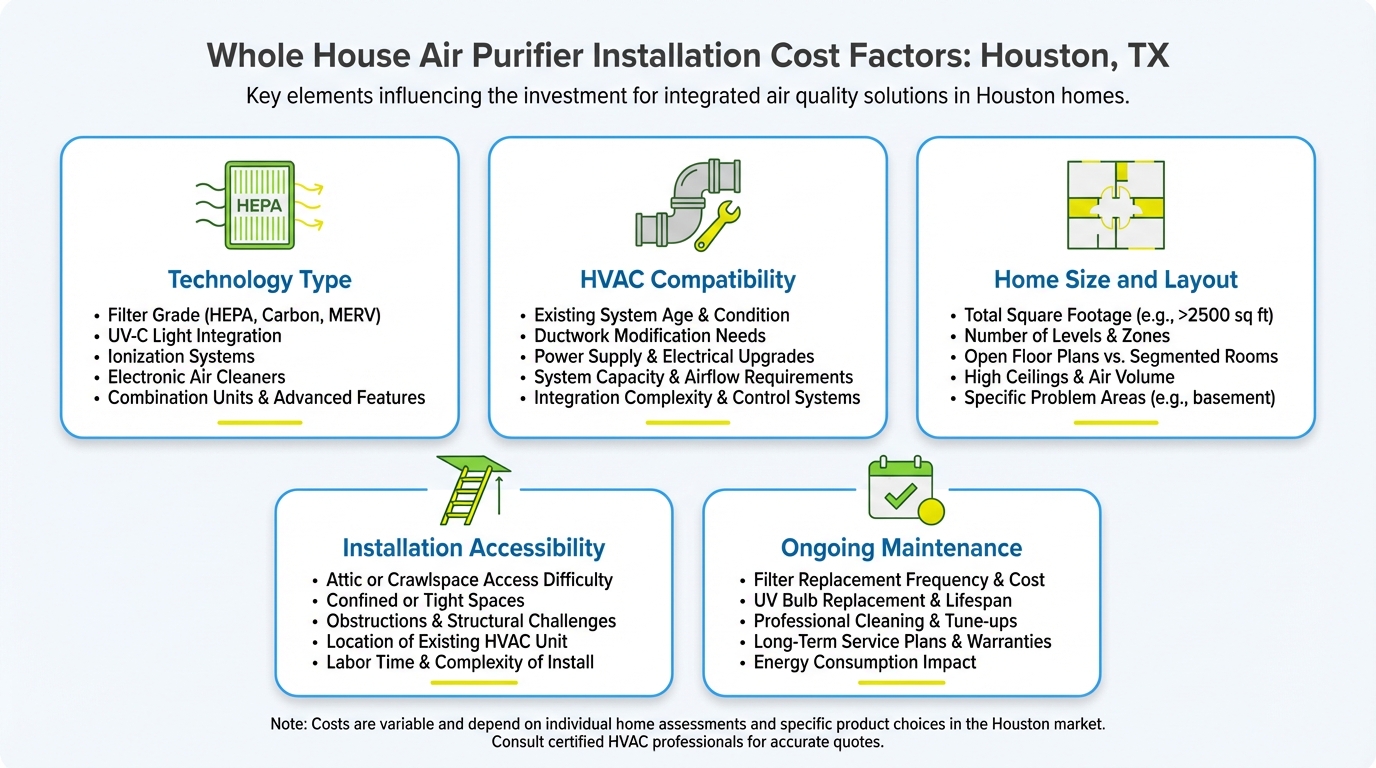
Cost is one of the first questions Houston homeowners ask, and the honest answer is that it varies widely depending on several factors. Rather than quoting a single number that may not apply to your situation, the following table outlines the primary variables that influence total investment.
| Cost Factor | What It Involves | Impact on Price |
|---|---|---|
| Technology type | Media filter, HEPA bypass, UV-C germicidal, electronic, or hybrid system | Higher-technology systems with multiple stages tend to cost more upfront |
| HVAC compatibility | Whether ductwork, filter housing, or electrical wiring needs modification | Older systems may require adapters, larger filter cabinets, or wiring upgrades |
| Home size and layout | Total square footage and number of HVAC zones | Larger homes or multi-zone systems may require additional components |
| Installation accessibility | Location of air handler (attic, garage, closet, crawl space) | Difficult-access locations increase labor time and complexity |
| Ongoing maintenance | Filter replacements, UV bulb changes, professional inspections | Annual costs vary from modest filter swaps to periodic bulb replacements |
The most reliable way to understand your specific cost is to have a qualified technician inspect your current HVAC setup, assess ductwork condition, and recommend the technology that matches your air quality concerns. Clean Air Houston Pro provides this kind of inspection-first approach — evaluating the system before recommending any equipment — so homeowners receive transparent, situation-specific guidance rather than a one-size-fits-all sales pitch.
Air Purifier vs. Air Filter: What Is the Difference?
These terms are often used interchangeably in marketing, which creates genuine confusion. In practical terms, an air filter is a physical barrier — usually a pleated media panel — that traps particles as air passes through it. Filters are rated on the MERV scale, where higher numbers indicate the ability to capture smaller particles. ASHRAE recommends MERV-13 or higher where the HVAC system can accommodate the increased resistance, because filters at this level capture a significant percentage of fine particles including many allergens and some bacteria-carrying droplets.
An air purification system typically adds one or more additional treatment layers beyond simple filtration. This might include UV-C germicidal lights positioned near the evaporator coil to inhibit microbial growth, activated carbon stages designed to adsorb odors and volatile organic compounds, or electronic air cleaners that use charged fields to attract particles. The CDC notes that filtration provides physical removal of particulates and is a foundational element of infection control — but when the goal extends to odors, gases, or microbial concerns, additional purification technologies may be warranted.
Which System Type Matches Your Specific Problem?
Selecting the right system starts with identifying the primary concern driving your search. A household battling seasonal allergies has different needs than one dealing with persistent cooking odors or post-flood mold worries. The table below maps common Houston-area problems to the technologies most likely to address them.
| Primary Concern | Recommended Technology | Why It Helps |
|---|---|---|
| Allergies, pollen, dust, pet dander | High-efficiency media filtration (MERV-13+ or HEPA bypass) | Physically captures airborne particles that trigger allergic reactions |
| Cooking odors, pet smells, tobacco residue | Activated carbon or adsorption-based stage | Targets gaseous compounds and volatile organics that pass through standard filters |
| Mold spores, microbial concerns near coil/drain | UV-C germicidal lamp near evaporator coil | Inhibits microbial growth on damp HVAC surfaces where mold commonly develops |
| Multiple concerns (allergies + odors + microbial) | Hybrid or multi-stage system | Combines filtration, adsorption, and germicidal treatment for broader coverage |
It is worth noting that no single technology solves every indoor air quality issue. A home with a mold problem also needs humidity control — dehumidification, proper ventilation, and possibly remediation of the mold source itself. An air purifier can reduce airborne spore counts, but it does not replace addressing the moisture that feeds mold growth in the first place. The Texas Department of Licensing and Regulation advises keeping indoor humidity at or below 50 percent and using exhaust fans in kitchens and bathrooms as foundational mold prevention steps.
“Stacy’s team was awesome fast and professional! They explained everything to me before they did anything. Very fair pricing. I will definitely use them again.”
Should You Clean Your Ducts Before Installing a New Air Purifier?
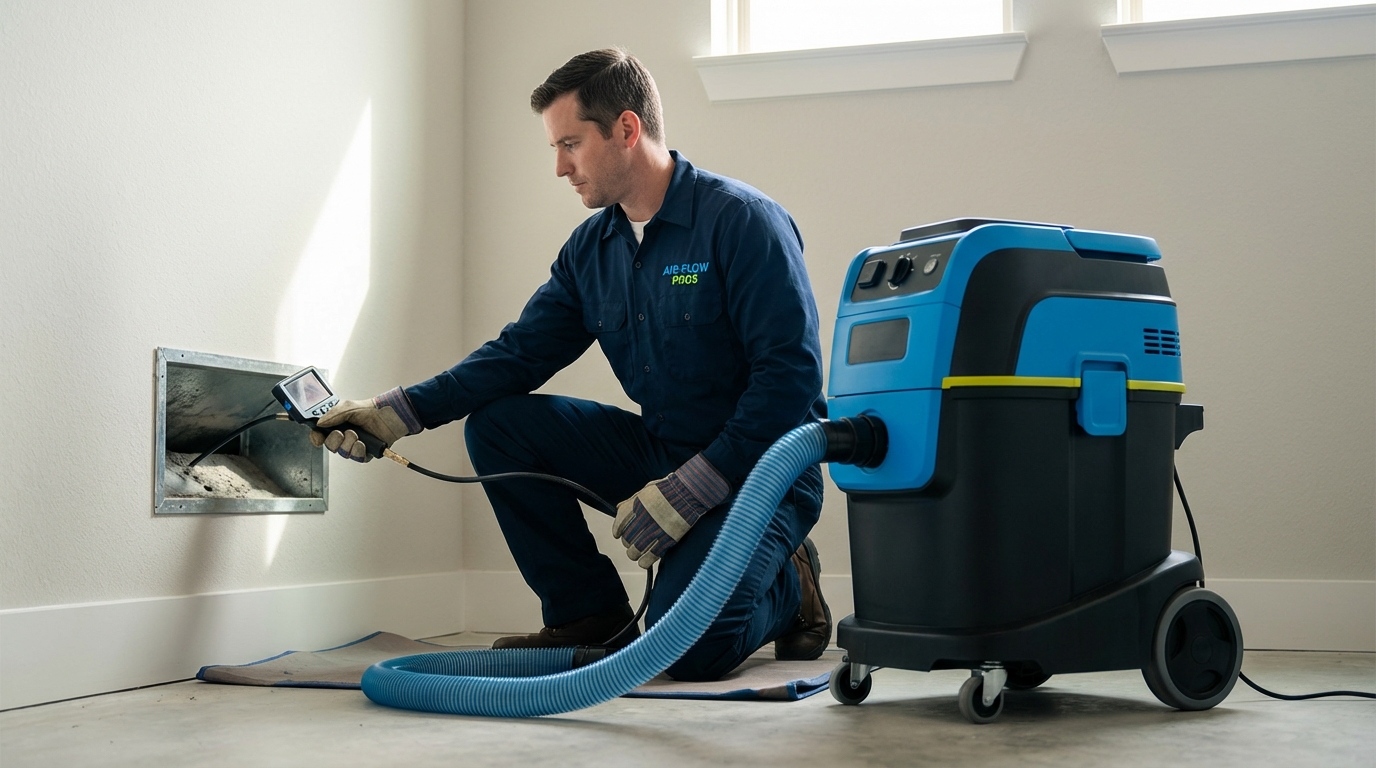
This is a question that comes up frequently on homeowner forums, and the answer depends on what is currently inside your ductwork. The EPA states that duct cleaning may be warranted when there is visible mold growth inside ducts, evidence of pest infestation, or substantial debris that is actually being released into the living space. If your ducts have years of accumulated dust, pet hair, or construction debris, installing a new air purification system on top of that existing contamination means your new filters will clog faster and the system will work harder than necessary from day one.
Before a new air cleaner installation, it is often recommended to utilize professional air duct cleaning services to ensure the new system is not filtering leftover debris from the vents. Clean Air Houston Pro uses an inspection-first process with HEPA-filtered vacuum and negative-pressure techniques, which means contaminants are captured rather than dispersed during cleaning. This combination — clean ducts plus a properly installed purification system — gives homeowners the strongest starting point for improved indoor air quality.
Flat Rates | No Hidden Fees | Same-Day Service Available
Can a Whole-Home System Help with Mold in Houston?
A whole-home air purification system can meaningfully reduce the number of mold spores circulating through your air, and UV-C components installed near the evaporator coil can inhibit microbial growth on the damp surfaces where mold most commonly establishes itself inside HVAC systems. However, it is important to set realistic expectations. If there is active mold growth in your walls, attic, or crawl space, an air purifier alone will not resolve the problem. The CDC is clear that controlling moisture is the essential first step in mold prevention — cleaning the air helps, but eliminating the moisture source is non-negotiable.
For Houston homeowners who have already addressed moisture issues and want to prevent future problems, a well-maintained whole-home system acts as a continuous safeguard. It reduces the overall spore load in your air, keeps the HVAC coil area less hospitable to microbial growth, and supports the kind of proactive maintenance that prevents small issues from becoming expensive remediation projects.
Portable vs. Whole-Home Systems: When Does Each Make Sense?
This is not an either-or decision for every household. Portable HEPA air purifiers have strong clinical evidence supporting their effectiveness — randomized trials have shown they can reduce indoor PM2.5 concentrations and improve respiratory outcomes, particularly when placed in bedrooms and main living areas. For a renter who cannot modify the HVAC system, or for someone who needs targeted protection in a nursery or home office, a quality portable unit is an excellent choice.
The whole-home system becomes the stronger option when the goal is consistent air quality across every room, when multiple family members have sensitivities, or when the home’s HVAC runs frequently enough to move high volumes of air through the purification stage. In Houston, where air conditioning often runs 8 to 12 hours per day during warmer months, the HVAC fan is already doing the work of circulating air — adding a purification stage to that existing airflow is efficient and practical.
Some families benefit from both: a whole-home system for baseline coverage and a portable HEPA unit in a child’s bedroom for an extra layer of protection during high-pollen seasons.
What Professional Air Purifier Installation Involves
Professional air cleaner installation is not simply sliding a filter into a slot. A qualified technician begins with an assessment of the existing HVAC system — measuring static pressure, checking ductwork for leaks or restrictions, verifying blower capacity, and identifying the optimal location for the purification equipment. This evaluation is critical because installing a high-resistance component in a system that cannot handle it leads to reduced comfort, increased energy consumption, and potential equipment damage.
Once the assessment is complete, installation typically involves mounting the purification unit (whether a media filter cabinet, UV assembly, or multi-stage system) into the return or supply plenum near the air handler. Electrical connections are made for powered components, seals are checked to prevent bypass air from circumventing the filter, and the system is tested to confirm proper airflow and operation.
Filter Replacement: How Often and What Happens If You Forget
Filter replacement frequency depends on the type of system, household conditions, and how many hours per day the HVAC fan operates. Standard one-inch pleated filters may need replacement every one to three months, while deeper media filters (four to five inches) can often last six to twelve months under normal conditions. Homes with pets, smokers, or ongoing construction nearby will generally need more frequent changes.
When a filter becomes clogged, two things happen simultaneously: airflow through the system drops, reducing comfort and efficiency, and the filter’s ability to capture additional particles diminishes because air begins to bypass the saturated media. The result is a system that costs more to run and cleans less effectively — the worst of both outcomes. Setting a calendar reminder or working with a service provider who schedules maintenance visits can prevent this entirely.
Does a Whole House Air Purifier Affect Energy Bills?
This is a legitimate concern, and the answer depends entirely on proper sizing and installation. A correctly matched system should not cause a noticeable increase in energy costs. In fact, by keeping the evaporator coil and blower components cleaner over time, a good filtration system can actually help maintain HVAC efficiency rather than degrade it. Dirty coils reduce heat transfer, force longer run cycles, and increase wear on compressors — problems that a clean air stream helps prevent.
A high-quality air purification system not only supports healthier air but also contributes to overall home energy efficiency by keeping HVAC coils cleaner and reducing system strain. The key is ensuring the purification component is appropriate for the system’s capacity — which circles back to the importance of a professional assessment before installation rather than guessing based on product packaging alone.
“Very responsive and professional. They got me on their schedule day after I called. The technicians were knowledgeable and took time to explain everything.”
What to Look for in a Houston Air Purification Service Provider
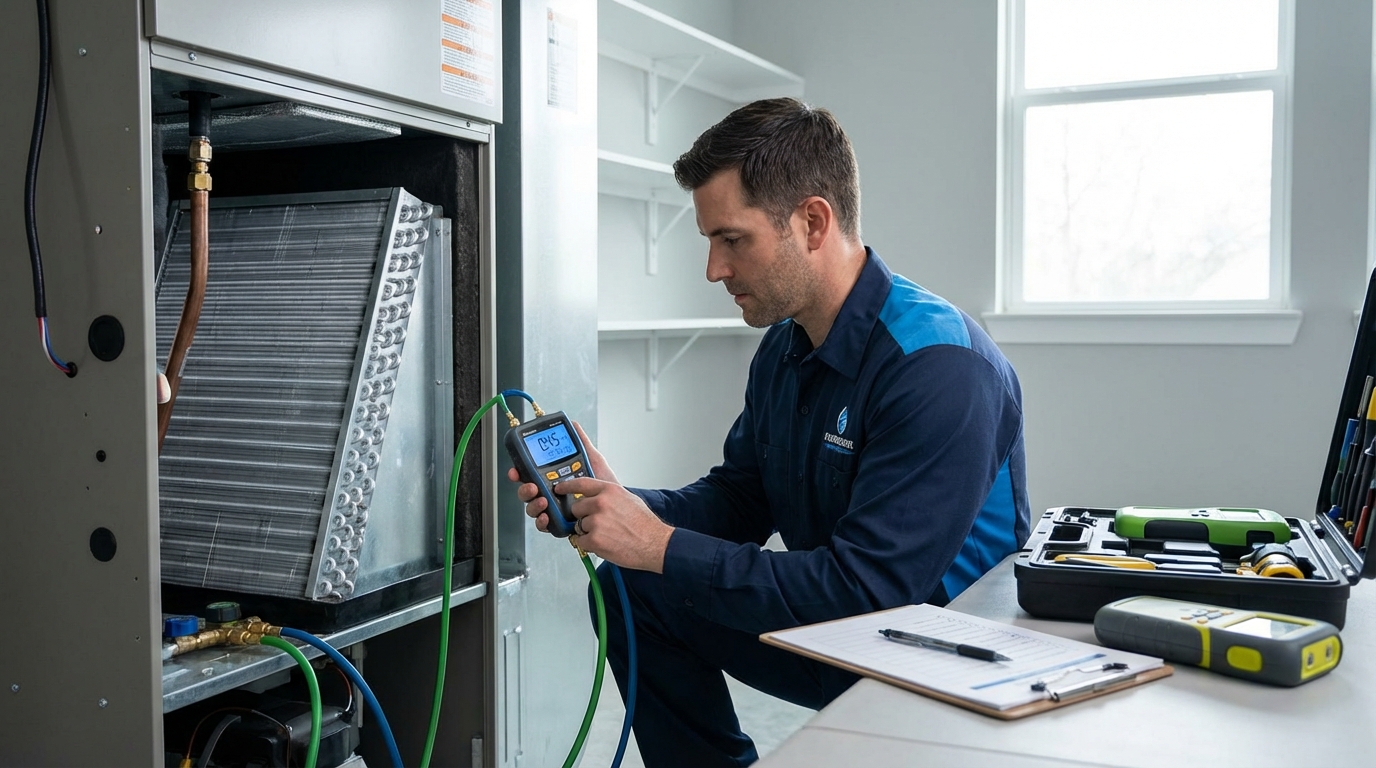
Not every company offering air purifier installation has the expertise to evaluate your HVAC system holistically. A trustworthy provider will inspect before recommending, explain the trade-offs between different technologies, and never pressure you into a system that does not match your actual concerns. Ask whether the company measures static pressure before and after installation, whether they check ductwork condition, and whether they provide transparent pricing that includes both equipment and labor.
Clean Air Houston Pro takes a thorough, Houston-focused approach to air quality services. Because the team also handles duct cleaning, HVAC cleaning, and insulation work, they can identify issues that a standalone purifier installer might miss — like duct leaks that undermine filtration effectiveness, or insulation gaps that contribute to humidity problems. This broader perspective means homeowners receive recommendations based on the complete picture, not just one product category.
What Sets Clean Air Houston Pro Apart
- Inspection-first approach: Every recommendation begins with a thorough assessment of your current system.
- Flat-rate pricing: You know the full cost before work begins — no surprises, no hidden fees.
- Comprehensive services: Duct cleaning, HVAC cleaning, mold inspection, and insulation all under one roof.
- Same-day availability: When air quality issues are urgent, waiting days for an appointment is not acceptable.
- 127+ five-star Google reviews: Verified satisfaction from Houston homeowners who have experienced the difference firsthand.
From air purifier installation to complete duct cleaning, our team delivers honest assessments and professional results — backed by 127+ five-star reviews.
Or call us: (832) 737-8500
Frequently Asked Questions
+
+
+
+
+
+
+
Every home has a different combination of ductwork, HVAC capacity, and air quality concerns. Get a professional evaluation tailored to your specific situation — and start breathing cleaner air in every room, every day.
Flat Rates | No Hidden Fees | Same-Day Service Available

